

When inspection reveals corrosion, cracks, deformation or other damage, the hardest question is simple: can this equipment keep running safely, or do we need to stop?
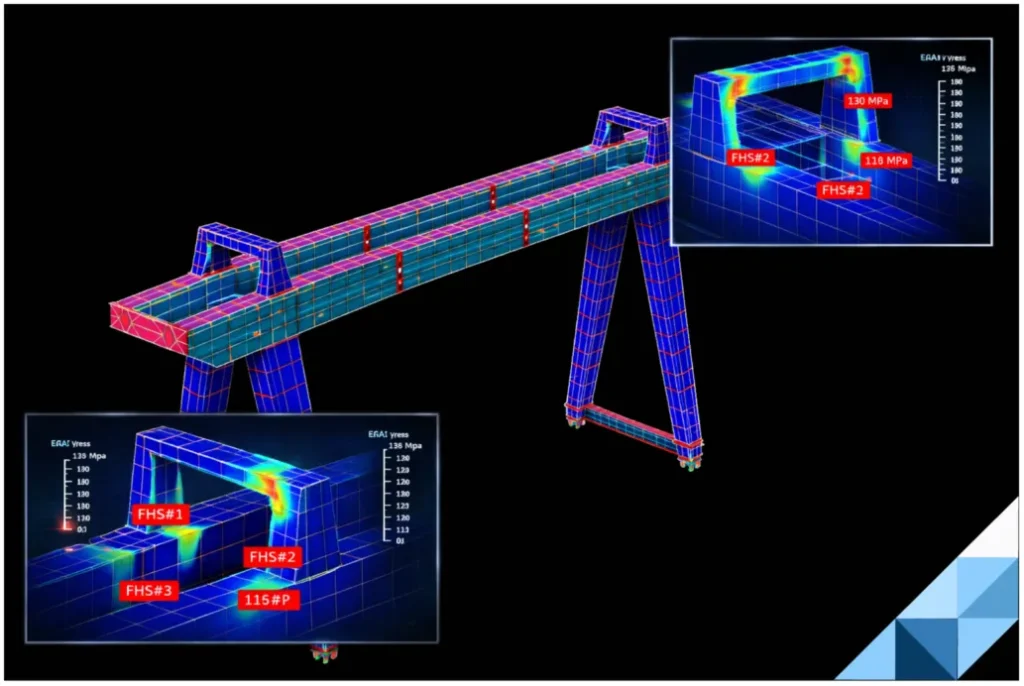
NWE provides independent, code-based Fitness-for-Service (FFS) assessments to API 579-1 / ASME FFS-1, helping asset owners make defensible run / repair / replace decisions for critical equipment.
Our FFS engineering support helps you:
A Fitness-for-Service evaluation is typically needed when damage or degradation has been detected and you must decide how to respond.
Typical triggers include:
In each case, an FFS assessment provides a quantitative, code-aligned check on whether the component is still safe to operate, under which conditions, and for how long.
Our FFS services focus on clear, actionable outcomes rather than software outputs or long reports.
A typical NWE FFS assessment delivers:
This enables engineering, operations and management to make consistent, auditable decisions on damaged assets.
NWE performs FFS evaluations for a wide range of pressurized and structural components across the energy value chain.
Typical equipment:
Typical damage mechanisms:
If your case falls outside these examples, our engineers can review the data and confirm whether FFS methods are applicable.
NWE combines independent inspection heritage with specialised asset-integrity engineering support.
Key strengths:
For clients, this means FFS assessments that are both technically robust and operationally relevant.
Discuss a damaged asset or pending inspection findings with our FFS engineers – contact NWE or request our company profile for more details about our capabilities.
FFS often forms part of a wider asset integrity strategy. Depending on your situation, we may combine FFS with:
These services help ensure that inspection, analysis and risk decisions are consistent across your asset base.
Need FFS support?
Get in touch with NWE experts
Explore real-world projects showcasing our expertise, innovation, and commitment to client success.
We perform FFS evaluations in line with API 579-1 / ASME FFS-1, the internationally recognised standard for assessing damaged or degraded pressure equipment and related components.
Typically we require inspection reports (e.g. UT, RT, MT, PT, ILI), basic design data (materials, dimensions, design pressure and temperature), relevant drawings and recent operating conditions. Additional data may be requested depending on the damage mechanism.
Timeframes depend on the complexity of the component and the availability of data. Simple Level 1 or Level 2 checks can often be completed quickly once information is in place; more complex Level 3 studies require additional analysis effort.
FFS provides quantitative limits and remaining life estimates that can be fed directly into inspection plans, re-rating decisions and risk-based inspection (RBI) updates, helping you optimise intervals and methods while maintaining safety.
Yes. As an independent inspection and engineering company, NWE can review previous FFS assessments, verify assumptions and calculations, and provide a second opinion where additional assurance is required.

If your inquiries haven’t been fully addressed, feel free to Advise with NWE’s specialists
We’re excited to connect with you and share more about how we can collaborate together!
Please contact us to discuss your staffing requirements and explore how NWE can assist in achieving your project objectives
NWE provides independent third-party inspection services and separate asset-integrity engineering support—improving quality and safety, protecting operations and budgets, and enhancing environmental performance.